
When Is It Critical to Install an Emergency Diesel Generator in Your Business?
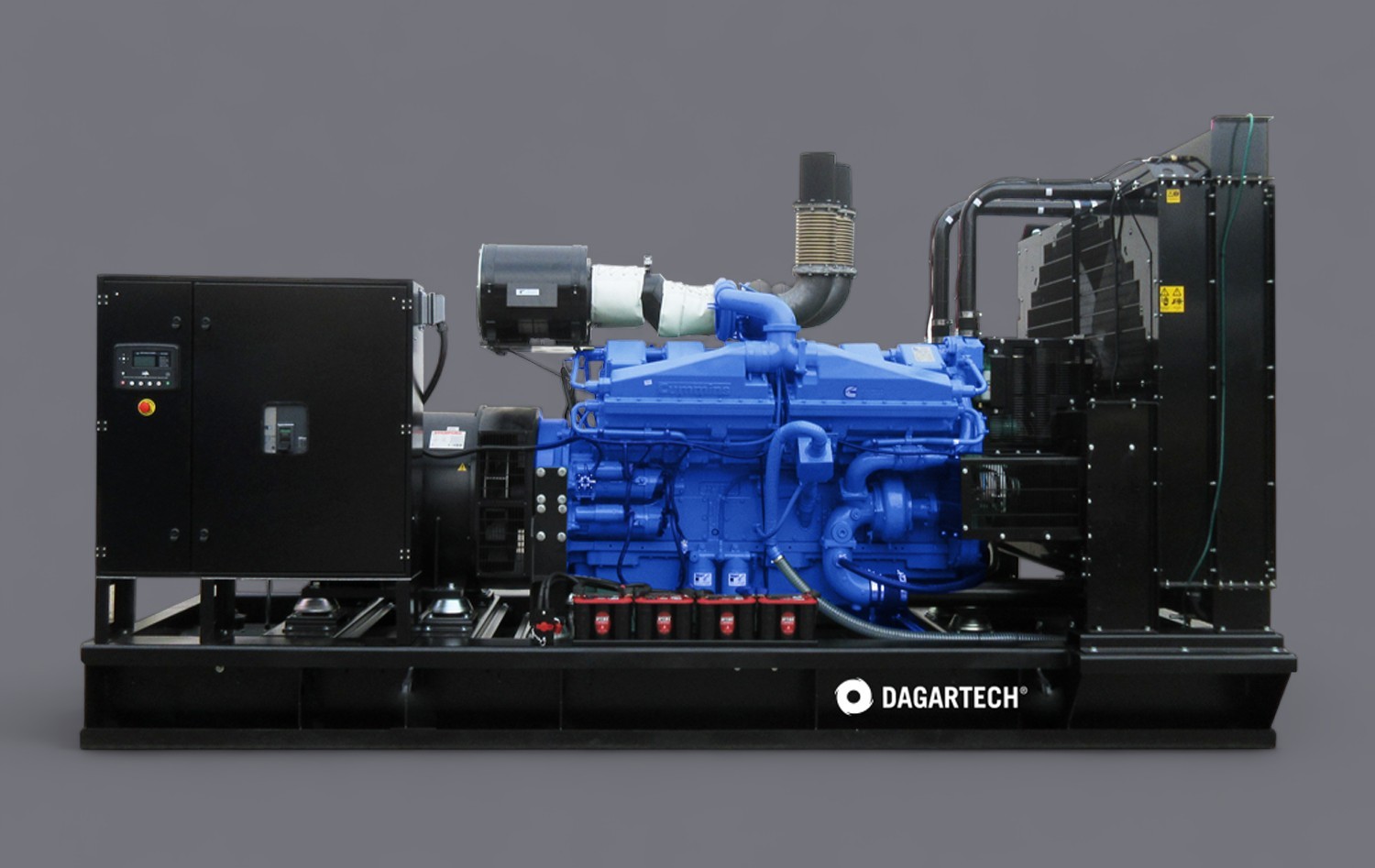
Installing an emergency diesel generator becomes a legal requirement when a facility falls under NEC Article 700, mandating power restoration within 10 seconds for life-safety loads. Financial necessity dictates installation if potential losses exceed $8,000 per hour, a common threshold for mid-sized data centers or cold storage units. With grid reliability declining—evidenced by a 67% increase in major US power outages since 2000—businesses requiring 99.9% uptime must deploy on-site diesel assets. These units provide 35% higher energy density than natural gas alternatives, ensuring autonomous operation during primary infrastructure collapse.
Total cost of ownership calculations often start with the "Maximum Tolerable Downtime," where a business quantifies how many minutes it can remain dark before irreparable damage occurs. In a 2023 survey of 1,500 IT managers, 45% reported that a single hour of downtime cost their organization over $100,000 in lost transactions and labor. This financial pressure forces a shift from relying on utility grids to maintaining independent power generation.
Industrial facilities utilizing precision CNC machinery or chemical reactors often face "restart penalties" where a 30-second power dip results in 12 hours of recalibration and material waste.
The mechanical resilience of a diesel engine allows it to absorb massive step loads, which is the immediate power demand from heavy equipment turning on simultaneously. Unlike turbine systems that may lag, an emergency diesel generator utilizes high-compression ignition to stabilize voltage within 2.0 seconds of load application. This mechanical response is what prevents sensitive motor starters from tripping during the transition from the grid.
| Industry Sector | Power Continuity Requirement | Loss Per Hour (Avg) |
| Data Centers | 99.999% (Tier IV) | $250,000+ |
| Level 1 Trauma | 100% (Life Safety) | Incalculable |
| Semi-Conductor | 99.99% (Clean Room) | $1,000,000+ |
| Logistics/Cold | 95% (24hr Buffer) | $15,000 |
Legal frameworks in North America and Europe specifically target "Occupancy Category IV" structures, which include fire stations, hospitals, and designated emergency shelters. These buildings must remain operational during a 1-in-500-year seismic or weather event, conditions that typically destroy natural gas pipelines or solar arrays. Following the 2021 Texas Power Grid failure, local mandates for onsite diesel storage increased to ensure 72 hours of continuous run-time.
Temperature-sensitive inventory adds another layer of urgency, particularly for pharmaceutical wholesalers storing mRNA vaccines that require -60°C environments. A loss of power for even 45 minutes can trigger a "thermal excursion," leading to the mandatory destruction of millions of dollars in medical stock. A study of 200 cold-chain providers found that those without onsite standby power paid 30% higher insurance premiums annually.
"Modern electronic governors manage fuel injection at a rate of 120 times per second, maintaining a frequency of 60Hz within a 0.25% margin of error under full load."
Reliability during extreme weather is the primary differentiator for diesel systems because the fuel is stored in sub-base tanks directly beneath the unit. During the 2012 Hurricane Sandy event, 94% of diesel-backed systems in the Northeast remained functional, whereas 22% of natural gas units failed due to flooding of underground vaporizers. This physical autonomy allows a business to function as an independent energy island when regional infrastructure fails.
The integration of an emergency diesel generator with an Uninterruptible Power Supply (UPS) creates a seamless energy bridge that protects microprocessor-based controllers. The UPS handles the first 10 to 15 seconds of an outage using lead-acid or lithium-ion batteries, while the diesel engine reaches its rated 1800 RPM. This combination eliminates the "reboot cycle" that typically accounts for 60% of data corruption incidents in commercial office environments.
| Component | Function | Performance Data |
| Turbocharger | Air Induction | Increases Output by 30% |
| AVR | Voltage Control | +/- 0.5% Regulation |
| Heater | Block Warmth | Ensures <10s Start |
| Silencer | Noise Reduction | -25 to -35 dB(A) |
Maintenance intervals also dictate the long-term viability of the investment, as a generator that fails to start is a wasted asset. Standard protocols involve monthly "no-load" tests and an annual "load bank" test at 75% capacity to verify that the cooling system can dissipate the heat generated by the alternator. In a 10-year longitudinal study, generators that were load-banked annually showed a 98% success rate during actual outages.
Environmental regulations, such as EPA Tier 4 standards, have modernized these systems by reducing particulate matter and nitrogen oxides by over 90% compared to models built before 2010. These improvements allow businesses to install large-scale power plants in urban centers without violating local air quality ordinances. Advanced after-treatment systems ensure that the exhaust is cleaner than the intake air in many smog-prone industrial zones.
Future-proofing a business against the increasing frequency of grid-scale "rolling blackouts" requires a permanent onsite power solution. As the global demand for electricity is projected to rise by 40% by 2040, the strain on existing transmission lines makes localized generation a mathematical certainty for survival. Investing in a diesel-backed system secures the facility against both sudden surges and long-term structural grid decay.
Stop guessing. Start training like a ranked fighter.
Working fighters, prospects, and coaches use Keith's systems to cut camp planning in half and step into the cage prepared.
Book a Fight-Camp Consult